Skip to content

Premium Light · Catalog

Designer pendant lights

Pendant lights for living rooms, dining rooms, kitchens, offices and commercial interiors. We curate quality designer models from premium European brands with a focus on visual comfort, materials and timeless design.

Catalog

Luminaire Collection

A curated selection of iconic design luminaires from premium brands — where innovation meets craftsmanship.

Catalog shows brands with currently published products. Delta Light and Wever & Ducré are specified in lighting concepts on request.

See the dedicated page for the Pendant lights category — how to choose, hanging height and FAQs.

Working luminaire selection (0/20)

Showing 24 of 279 lights

nh Suspension / Ceiling — Artemide — Suspension light

nh Suspension / Ceiling

Neri & Hu

Artemide · Suspension light

Discovery Suspension — Artemide — Suspension light

Discovery Suspension

Ernesto Gismondi

Artemide · Suspension light

Tolomeo Mega Suspension — Artemide — Suspension light

Tolomeo Mega Suspension

Michele De Lucchi & Giancarlo Fassina

Artemide · Suspension light

Gople — Artemide — Suspension light

Gople

BIG – Bjarke Ingels Group

Artemide · Suspension light

Stellar Nebula — Artemide — Suspension light

Stellar Nebula

BIG – Bjarke Ingels Group

Artemide · Suspension light

Unterlinden — Artemide — Suspension light

Unterlinden

Herzog & de Meuron

Artemide · Suspension light

Castore Sospensione — Artemide — Suspension light

Castore Sospensione

Michele De Lucchi & Huub Ubbens

Artemide · Suspension light

Turn Around System — Artemide — Suspension light

Turn Around System

Carlotta de Bevilacqua

Artemide · Suspension light

"O" — Artemide — Suspension light

"O"

Elemental

Artemide · Suspension light

A.24 Circular Stand-alone — Artemide — Suspension light

A.24 Circular Stand-alone

Carlotta de Bevilacqua

Artemide · Suspension light

A.24 Diffused Emission — Artemide — Suspension light

A.24 Diffused Emission

Carlotta de Bevilacqua

Artemide · Suspension light

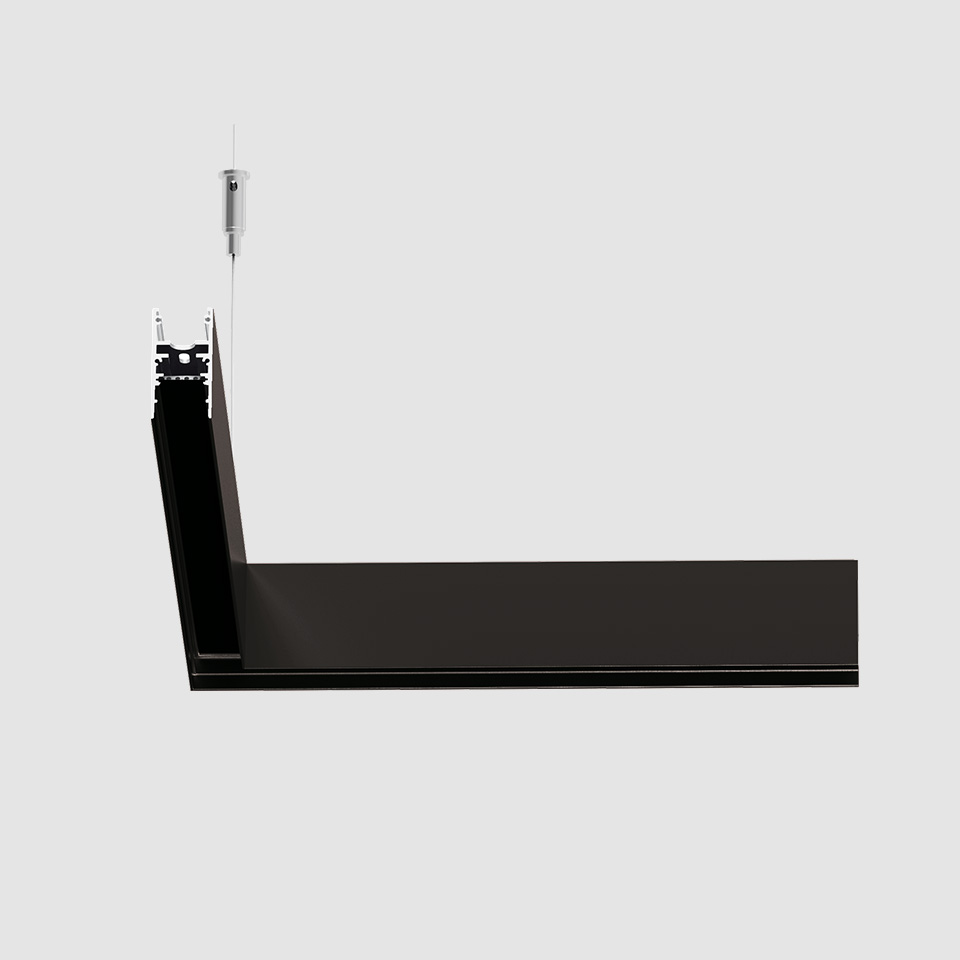
A.24 Magnetic Track — Artemide — Suspension light

A.24 Magnetic Track

Carlotta de Bevilacqua

Artemide · Suspension light

A.24 Sharping Emission — Artemide — Suspension light

A.24 Sharping Emission

Carlotta de Bevilacqua

Artemide · Suspension light

A.39 Sospensione / Soffitto Microrefractive — Artemide — Suspension light

A.39 Sospensione / Soffitto Microrefractive

Carlotta de Bevilacqua

Artemide · Suspension light

A.39 Suspension / Ceiling Controlled Emission — Artemide — Suspension light

A.39 Suspension / Ceiling Controlled Emission

Carlotta de Bevilacqua

Artemide · Suspension light

A.39 Suspension / Ceiling Diffused Emission — Artemide — Suspension light

A.39 Suspension / Ceiling Diffused Emission

Carlotta de Bevilacqua

Artemide · Suspension light

A.39 Suspension / Ceiling Refractive Emission — Artemide — Suspension light

A.39 Suspension / Ceiling Refractive Emission

Carlotta de Bevilacqua

Artemide · Suspension light

A.39 Suspension / Ceiling Sharping Emission — Artemide — Suspension light

A.39 Suspension / Ceiling Sharping Emission

Carlotta de Bevilacqua

Artemide · Suspension light

Aggregato — Artemide — Suspension light

Aggregato

Enzo Mari & Giancarlo Fassina

Artemide · Suspension light

Alambicco — Artemide — Suspension light

Alambicco

Neil Poulton

Artemide · Suspension light

ALE.01 — Artemide — Suspension light

ALE.01

Hassell

Artemide · Suspension light

Alphabet of Light Circular — Artemide — Suspension light

Alphabet of Light Circular

BIG - Bjarke Ingels Group

Artemide · Suspension light

Alphabet of Light Linear — Artemide — Suspension light

Alphabet of Light Linear

BIG - Bjarke Ingels Group

Artemide · Suspension light

Alphabet of Light Outdoor — Artemide — Suspension light

Alphabet of Light Outdoor

BIG - Bjarke Ingels Group

Artemide · Suspension light

How to choose a pendant light

The starting point is the purpose of the room and how light is layered. Over a dining table or kitchen island we use more directional, sharper light that defines the eating area. In living rooms and hallways we prefer softer diffuse fixtures that build atmosphere without creating harsh shadows. Consider the shade material (metal, glass, textile, paper), lumen output, colour temperature and dimming compatibility. If the space is wired for DALI or another dimmable circuit, always verify that the specific model is compatible.

Correct hanging height above a table

The bottom edge of the shade over a dining table is typically 70–85 cm above the tabletop. Hanging higher opens the space, while lower placement emphasises the intimacy of dining and better illuminates the food. Over a kitchen island we usually work with 75–90 cm. For ceilings above 3 metres, reconsider the proportions or use multiple pendants in a row. In circulation spaces (hallways, stairwells) keep the bottom edge at least 2.1 m above the floor.

Pendants over dining and kitchen tables

A single larger pendant works well over a rectangular dining table, as does a cluster of three smaller pendants in a row. Over a round table the natural choice is one central pendant with a diameter roughly two thirds of the table's diameter. Over a kitchen island, directional light is helpful — direct illumination of the worktop with CRI 90+ improves the way food colours appear. In open-plan layouts you can combine different families of pendants over the dining area and the island as long as they share the same colour temperature and a coherent visual line.

One pendant vs. a cluster of pendants

A single statement pendant works as an architectural accent — it draws the eye and defines the space beneath it. A cluster of smaller pendants in a row or group produces more even light and is well suited to longer tables, bar counters or rooms with tall ceilings. When using multiple pendants, keep the same bottom-edge height, sufficient spacing between fixtures (typically 60–80 cm centre to centre) and a consistent visual language. Both approaches can be combined in open spaces — a solitary pendant over the living room and a linear composition over the kitchen island.

Size, light output and colour temperature

Choose the diameter to match the scale of the room — a common rule of thumb is that the sum of the room's width and length in metres gives an approximate pendant diameter in decimetres, though it is only a guide. Light output is a matter of layering — 800–1500 lm from a single source is often enough over a dining table, while larger kitchen islands typically need more than 1500 lm. For living and dining areas we recommend 2700 K; for kitchen islands and work surfaces 3000 K is more suitable. Always keep a colour rendering index of CRI ≥ 90 so that textile, wood and food colours remain true.

Frequently asked questions