Colour temperature
Colour temperature: 2200 K, 2700 K, 3000 K or 4000 K?
CCT in kelvins describes the colour appearance of white light. For a warmer atmosphere, consider 2700–3000 K or 2200 K; the overall impression also depends on intensity, materials and other lighting properties.
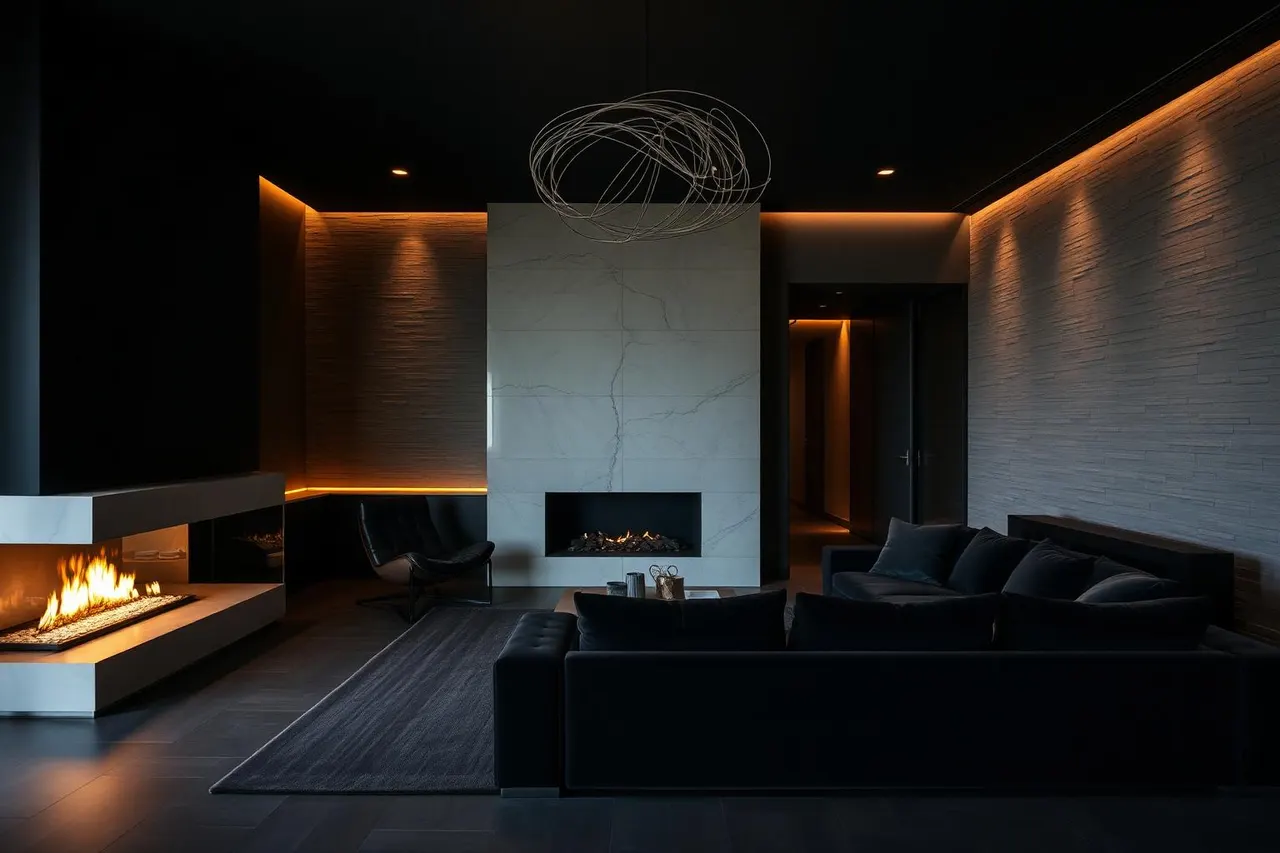
Correlated colour temperature (CCT) describes the warmth of light in kelvins. Lower numbers (2200–2700 K) are warm, yellow to orange. Higher numbers (4000–6500 K) are cool, blue, clinical. CCT is independent of CRI and intensity.
The concept comes from blackbody physics. A candle is ~1800 K, halogen ~2800 K, morning sun ~3200 K, daylight ~5500 K, overcast sky ~6500–8000 K.
Tunable White varies CCT over a manufacturer-specified range, for example 2200–6500 K. This range is not universal. For DALI control, check DT8(Tc) and controller compatibility; changing CCT alone does not establish a biological benefit.
CCT can affect material appearance, but 2700, 3000 or 4000 K alone does not determine fidelity or quality. Assess wood, brass and leather samples under the actual source, considering spectrum and viewing conditions.
Light around 2200 K can be an aesthetic choice for an evening atmosphere. Assess colour rendering separately; Ra ≥ 95 is neither a physical requirement for this CCT nor a guarantee for all colours.
Practical applications
Residential
Living, bedroom, bathroom, dining: 2700 K is the most universal, 3000 K when the interior is cool (pale stone, glass). Wardrobe 3000 K for colour accuracy.
Kitchen
Task area 3000 K, ambient 2700–3000 K. Ideal: Tunable White switching between work and evening modes.
Hospitality (hotels, Fine dining)
Hotel room 2700 K with Warm Dim. Lobby 2700–3000 K. Fine dining 2400–2700 K, often Warm Dim toward 2200 K at dinner. Always CRI ≥ 95.
Retail & Showroom
Fashion and cosmetics 3000–3500 K, CRI ≥ 95. Jewellery 3500–4000 K with high CRI for brilliance. Gallery: modern art 3500–4000 K, classical 2700–3000 K.
Offices
Choose CCT for the task, architecture and user preferences. Values of 3500–4000 K can be a design choice; they do not by themselves guarantee productivity or a biological effect.
Exterior & façades
Residential façades 2700 K, urban façades 3000 K. Public spaces 3000–4000 K. Never mix CCT on one building.
Advantages
- Sets the overall mood regardless of fitting
- Tunable White adapts CCT to time of day
- The right CCT amplifies materials
Limitations
- Same CCT can look different across fittings (Duv, binning)
- CCT tells nothing about colour rendering
- Tunable White needs compatible light sources, control gear and controls; for DALI, check DT8(Tc)
Recommendations
- Keep one CCT per room — never mix 3000 K and 4000 K in the same ceiling
- Residential: 2700 K first choice, 3000 K for modern minimalist interiors
- Hospitality: 2700 K + Warm Dim
- Retail / Showroom: 3000–3500 K (fashion, cosmetics), 3500–4000 K (jewellery)
- For Tunable White pick DT8 drivers and define 3–5 scenes
- Check Duv and chromaticity tolerances; select a project criterion rather than a universal quality label
Common mistakes
- Mixing 3000 K downlights with 4000 K LED strip in the same ceiling
- 5000 K+ in residential — hospital atmosphere
- Cool light in bathroom or wardrobe
- Buying fittings from different batches without binning control
- Trusting CCT alone without checking CRI and Duv
In summary
CCT is the first choice that sets the mood of a space. Residential and Hospitality run on 2700–3000 K, Retail and offices on 3000–4000 K. Tunable White adds flexibility but only with a thoughtful scenario. Combine different CCTs deliberately according to the purpose of each zone.
Want a quick estimate of the luminaire count? Open the lighting calculator.
Sources
Premium Light Studio
Planning a project? Get in touch.
Apply the article to your project. Use the short form to describe the space, project stage and the help you need.
Prepare the project location, approximate dimensions, preferred timing and indicative budget. You can add a link to a plan or datasheet; describe any open questions in the notes.
Prepare a project enquiryThe article topic carries into an editable note that you can expand or replace.